Land for Sale in Nicaragua
Beachfront parcels, ocean-view lots and acreage on the Pacific coast
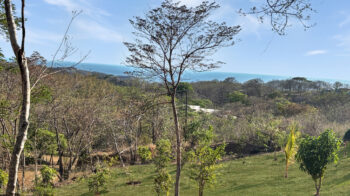
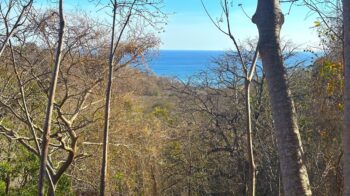
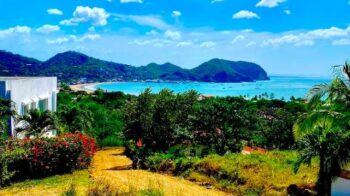
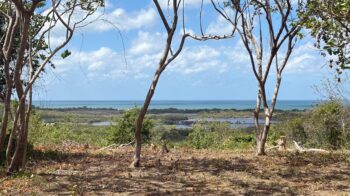
The best views on this coast are still raw land — and buying a lot is how you get exactly the home you imagine, at the price point you set. From beachfront parcels a wave’s throw from the water to ocean-view hilltops with panoramic sightlines, Nicaragua’s Pacific coast still has room to build your dream.
But land is also where buyers get burned when they don’t have the right people. In a market with no MLS and title histories that require real diligence, the value of a broker isn’t finding a pretty lot — it’s making sure the lot you fall in love with actually comes with clean, defensible title. That’s the part we take seriously, and it’s why buyers trust us with their biggest decisions on this coast.
Whether you’re planning a full-time home, a rental villa, a boutique development, or a long-term hold on appreciating coastline, we’ll help you find the right parcel — and protect you through every step of owning it.
In This Guide
Why buy land in Nicaragua?
Build exactly what you want. A finished home is someone else’s vision. Land lets you design for your life, your budget, and your view — and construction costs on this coast remain far below North American levels.
The best coastline is still land. Beachfront and ocean-view homes are finite, but the lots that will become them are still available. Buying land is buying ahead of the curve on a coast that just got a $400M coastal highway.
Strong long-term appreciation. San Juan del Sur, Tola, and the Popoyo corridor have all seen some of the fastest gains on the coast as roads, developments, and demand mature — two growth stories on one coastline. Land is the patient investor’s way in.
Foreign ownership, full rights. Foreigners can own land in Nicaragua outright and in their own name for standard purchases. We’ll flag the few situations — like certain coastal-zone rules — that need extra structure.
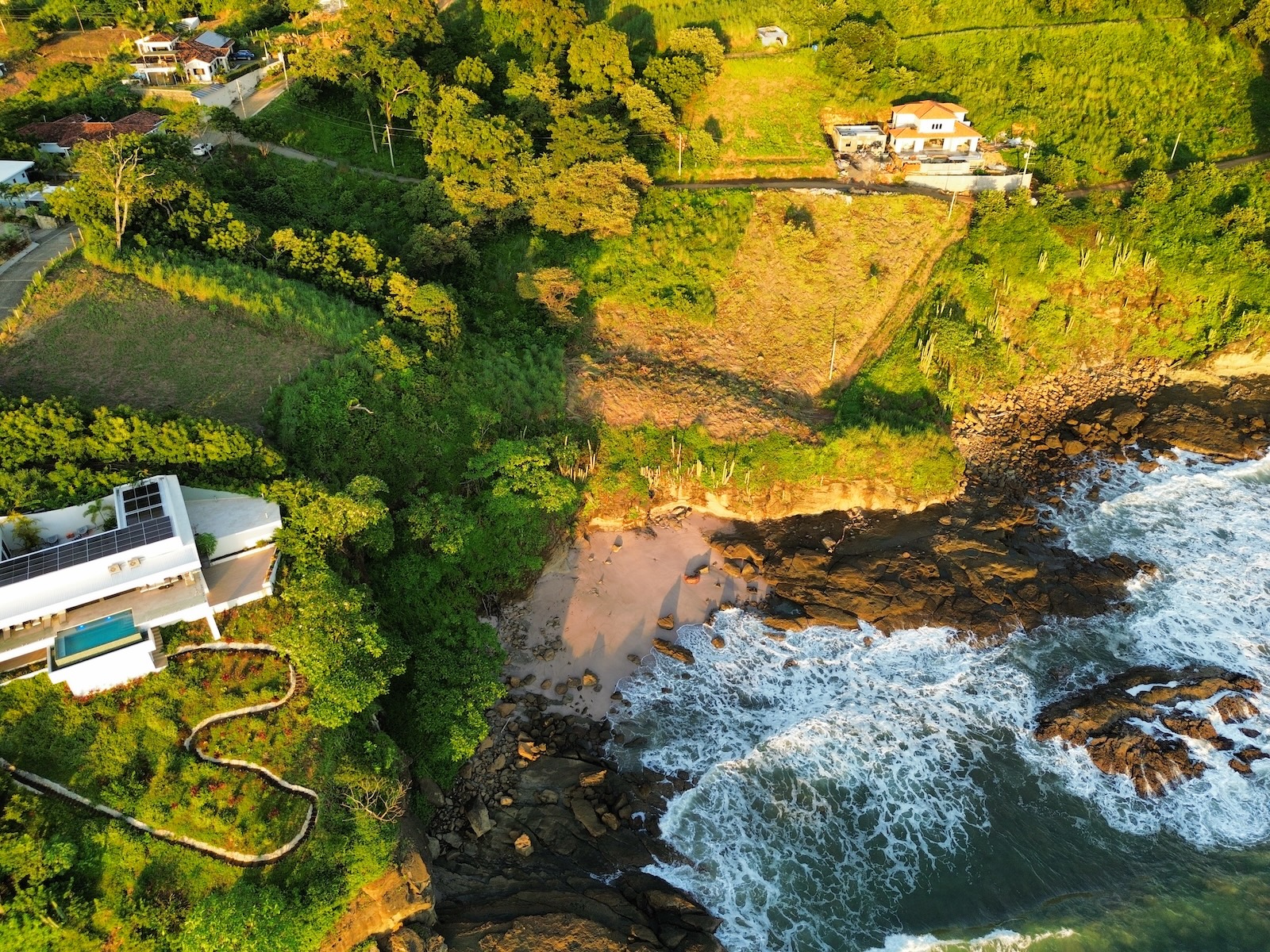
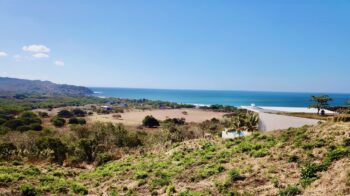
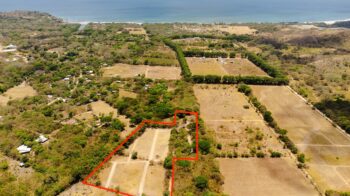
Oceanfront Land at Playa Remanso — available now
The part that matters most: clean title
We’ll say it plainly because it’s the single biggest reason to work with a real broker here: in Nicaragua, land is only as good as its title. Verbal boundaries, inherited parcels, overlapping claims, and incomplete registry records are all real risks — and they’re invisible to an outside buyer. Before you commit a dollar, we verify:
- Registered title and the full ownership chain (the Historia Registral)
- A fresh survey against what’s actually on the ground — every purchase here gets a new survey, and on larger parcels of 5, 10, or 20 acres we confirm the fences sit where the boundaries say they do
- Liens, encumbrances, and taxes owed (the Libertad de Gravamen)
- Zoning and any coastal-zone restrictions that affect what you can build
Buying near the beach? Any property within 200 meters of the high-tide line requires a CONO (Certificate of No Objection) — a government approval that typically takes 12–18 months and shapes how a beachfront land deal is structured, usually with funds staged in escrow while it processes. It’s routine when handled correctly. Our buyer’s guide walks through exactly how the CONO and full title verification work.
Every one of us has hands-on experience in construction and in investing here ourselves, and our local team knows these parcels and these families personally. That local knowledge is what turns a risky-looking market into a safe purchase. We clear the legal picture first, always.
Where our land is
San Juan del Sur: ocean-view lots on the hills above town, near amenities and the expat community — plus bigger parcels outside of town at more affordable prices, for buyers who want space away from the “city.” Tola & Popoyo: the coast’s growth story — beachfront parcels, surf-adjacent lots, and larger acreage. Plus beachfront and titled acreage from single home sites to tracts suited to a small development or family compound. Between the two, the inventory runs deep — both San Juan del Sur and Tola offer great options at every tier.
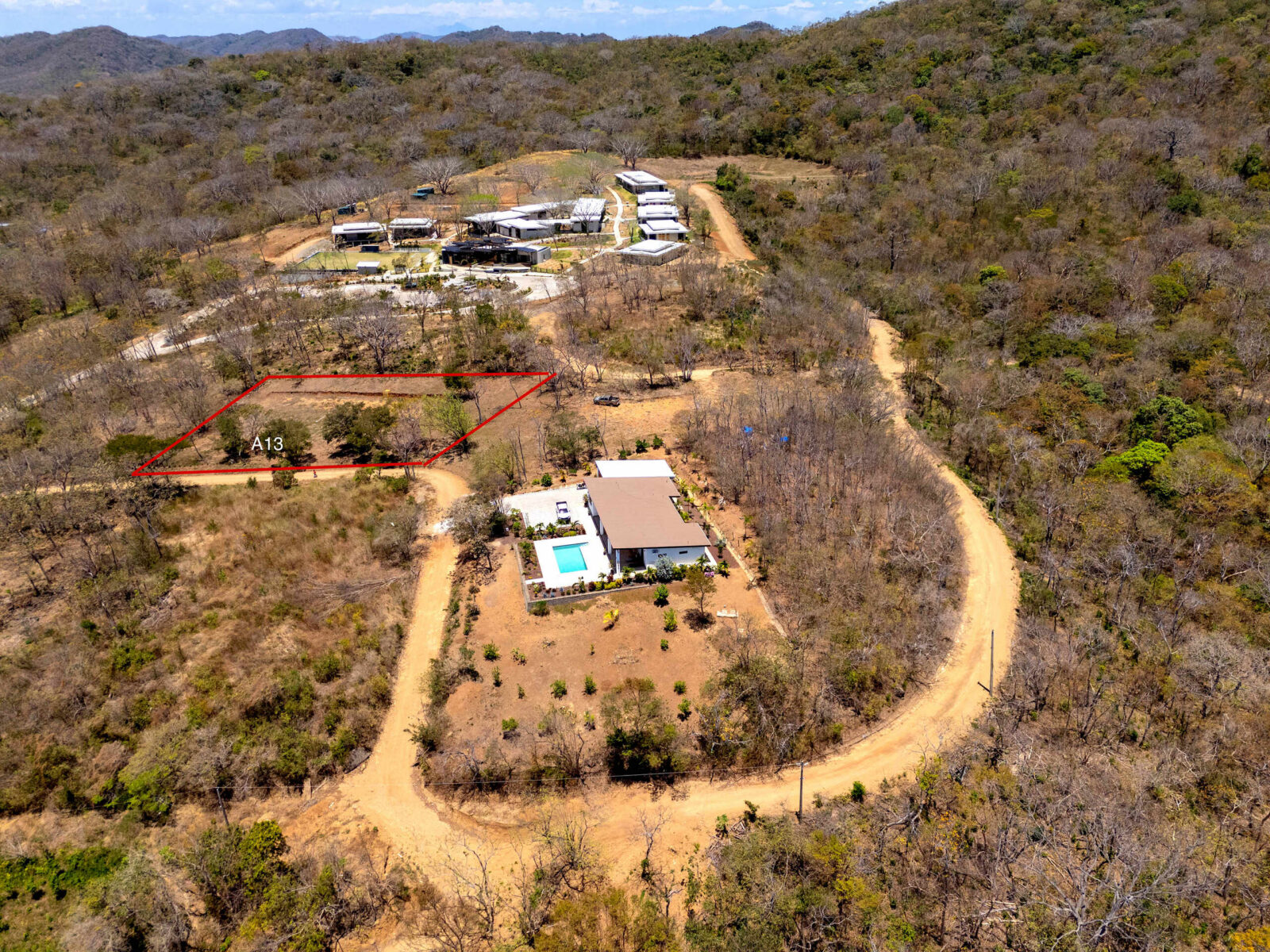
Utilities and access: what “to the lot line” really means
Every listing here tells you the utility situation — “water and electricity to the lot line” is the phrase to look for — and it varies more by parcel than most buyers expect. In established residential communities, the infrastructure is done: in El Encanto del Sur, water and underground electricity reach your lot line, with only a small connection fee when you start to build, and an HOA averaging about $1,500 per year covers maintained roads, security, and infrastructure. Pacific Marlin is similar — water to the lot line and power right there. Closer to town, developments like El Silencio and La Revolución come with water and road access, and the water itself is either city supply running through the development or the development’s own well.
Get further outside town — larger parcels, off the city grid — and you’re building your own infrastructure: a double- or triple-chamber septic system for sewage, and electricity pulled from the nearest power line, at a cost that depends entirely on distance. South toward Playa Yankee or north around the Maderas–Marsella area, lots may need their own well: budget $10,000–$12,000 minimum for a hand-dug or machine-drilled well once you include casing, enclosure, and the pump.
The solar shift: most new builds on this coast now incorporate solar — we’d estimate 75% or more. Electricity is Nicaragua’s most expensive utility, and the per-kWh price climbs as you consume more, while panel and battery costs have dropped enough that going fully solar, or solar with a grid backup, often beats pulling a long power line. When you look at any raw parcel with us, we’ll price out the real path to water, power, and access before you fall in love with the view.
Restricted vs. unrestricted lots: which one fits your plan
Lots inside residential communities like El Encanto del Sur and Pacific Marlin come with covenants: you can build a single-family home and usually a guesthouse or casita, but not two or three homes on one lot. Your plans need approval from the development’s architectural and design committee on top of the municipal permit, and construction rules apply — the site may need to be enclosed during the build, materials watched by someone on site, the work area kept clean. The good news: there’s typically no deadline forcing you to build after buying, though once you break ground, the development expects steady progress — nobody wants a half-built home languishing next door. Stringency varies by community: Rancho Santana and Guacalito sit at the strict end with very specific build guidelines, while a development like Playa Remanso is more relaxed.
If your vision is commercial — a hotel, a bed and breakfast, a multi-unit project — look at lots outside the developments, where there are no covenants and you can build whatever you want within municipal guidelines. No HOA, no design committee. The same is true if you simply don’t want anyone else’s rules on your land. Some developments do carve out designated commercial or developer lots where multi-unit projects are possible, but those are the exception and need developer approval. Tell us what you’re building, and we’ll point you at the right category from day one.
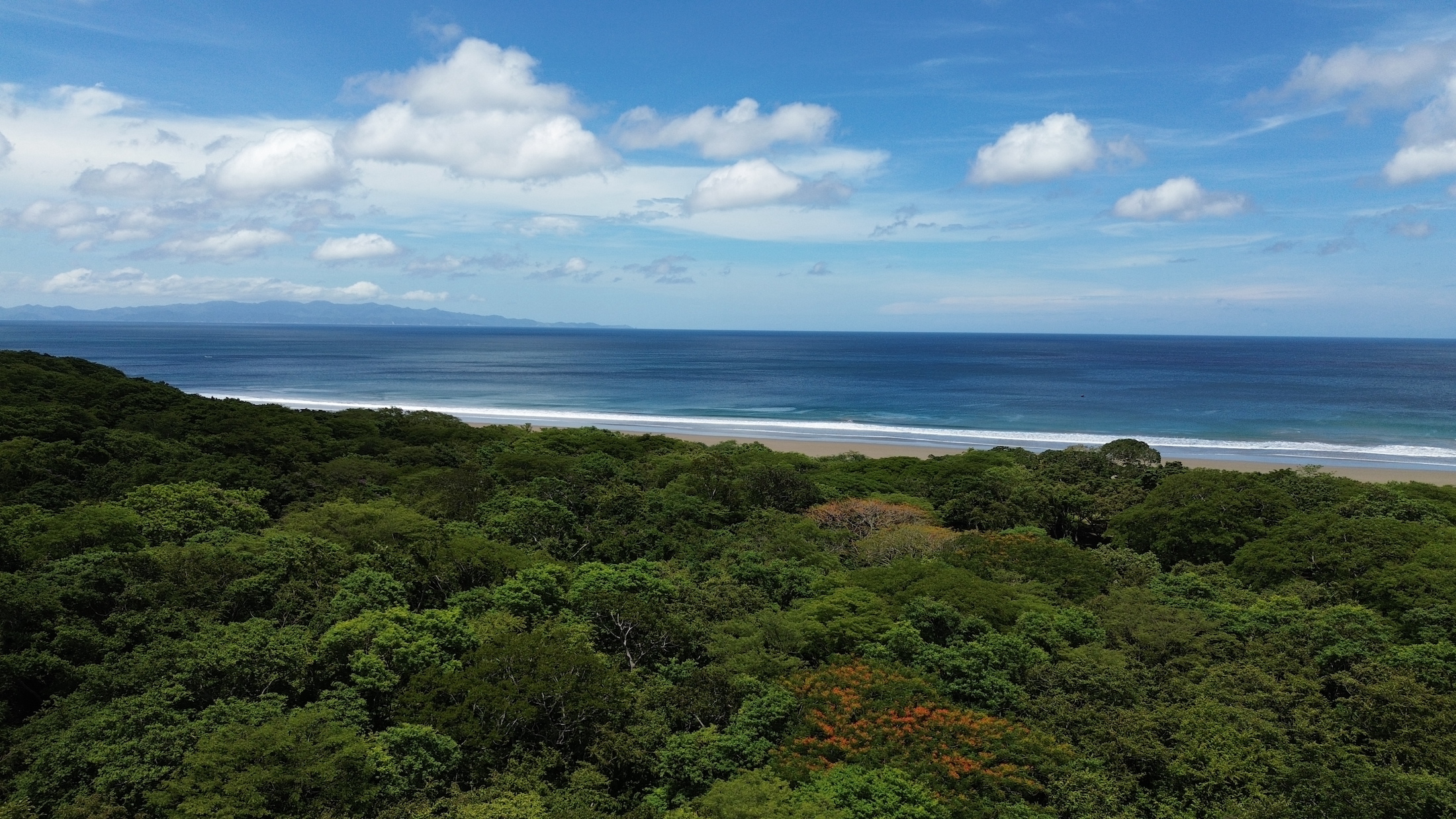
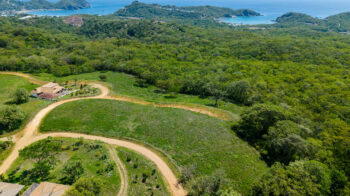
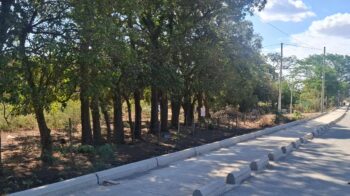
Playa Yankee Beachside Lots — Walk to Beach — available now
What it costs and how long it takes to build
Plan on 12 months of construction from the day the first shovel hits the ground — that holds for most homes regardless of size. Before that comes design and planning, which runs anywhere from 3 to 12 months depending on the complexity of your project. Municipal permitting is refreshingly straightforward: with your plans done, it rarely takes more than a month. Building inside a development adds the architectural-approval layer described above — and the higher-end the community, the more rigorous that review.
Construction here is quoted per square foot, and the tiers are straightforward: a solid basic build runs around $150 per square foot, mid-range finishes land between $150 and $200, and high-end custom work starts at $200+. Building inside Rancho Santana or Guacalito de la Isla? Plan on $250–300 per square foot — their build standards (and the results) are a tier of their own. We work alongside the coast’s established architects and builders and connect our buyers directly — check our guide to building a house in San Juan del Sur for more on what building here involves.
What land costs on the Pacific coast
There’s no central database of properties for sale in Nicaragua — and no public record of what anything actually sold for. That knowledge lives with the brokerages doing the deals. Working with one that carries the current pricing, the sale history, and the on-the-ground experience in its head is real leverage in your purchase. Most lots trade between roughly $25K and $150K, from accessible ocean-view sites to premium beachfront and large acreage above that range. Owner financing appears on land more than any other property type — typically 50% down with the balance over about a year. See how financing works here or run scenarios on the owner financing calculator.
Property taxes here are low, holding costs are minimal, and construction is affordable — which is why so many buyers choose to buy the lot now and build when they’re ready. Prefer something turnkey while you plan? A condo is the lock-and-leave alternative — see our guide to condos for sale in Nicaragua. We’ll give you honest, current numbers for the areas you care about, plus the full market picture in our 2025 market report.

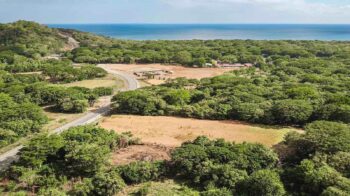
28-Acre Pacific Beachfront Development Parcel — available now
How buying land in Nicaragua works
1. Get comfortable with the country and the coast. We help you evaluate Nicaragua honestly before you narrow to a region.
2. Choose your area and parcel. Beachfront or hilltop, San Juan del Sur or Tola — we match lots to your vision and budget.
3. Walk the land. On the ground with our local team, or live over WhatsApp video if you’re still abroad.
4. Offer & purchase agreement. We negotiate and draft the paperwork in English and Spanish.
5. Title verification & due diligence. The critical step — working in tandem with your lawyer (we’ll help you find the right one), we confirm registered title, the new survey, boundaries, and encumbrances before any funds move.
6. Close from anywhere. The entire purchase can be completed virtually, start to finish, through an insured and bonded third-party escrow.
Frequently asked questions
Can foreigners buy land in Nicaragua?
Yes. Foreigners can own land outright — in your own name or through a local or foreign entity — with the same rights as citizens. The main exceptions are border-adjacent land and the coastal 200-meter zone, which requires the CONO process — both are well-trodden paths we structure for buyers routinely.
Is it safe to buy land in Nicaragua?
It is when title is properly verified — and that’s the whole job. The risk in this market isn’t the land, it’s unverified paperwork. Together with your lawyer, we confirm registered title, boundaries, and encumbrances on every parcel before funds move, following the process in our buyer’s guide.
What does “water and electricity to the lot line” mean?
It means the development or city has already brought utilities to the edge of your parcel — you pay only a small connection fee when you build. Lots without it need their own infrastructure: a well ($10,000–$12,000 minimum), a septic system, and either a power-line extension or solar, which most new builds here now include.
Can I build more than one home on my lot?
Inside residential communities like El Encanto del Sur or Pacific Marlin, generally no — covenants allow a single-family home plus a guesthouse. For multi-unit or commercial projects, buy outside the developments where only municipal guidelines apply, or ask us about designated commercial lots.
How long does it take to build a home?
About 12 months of construction from groundbreaking for most homes, preceded by 3–12 months of design and planning. Municipal permits usually take under a month; developments add their own architectural approval on top.
How much does land cost in Nicaragua?
Most lots trade between roughly $25K and $150K depending on location, views, size, and infrastructure, with premium beachfront and large acreage above that. Because there’s no MLS, there’s no single price list — contact us and we’ll share current, verified pricing for the areas that fit your plan.
Do I need to be in Nicaragua to buy?
No. We handle video tours of parcels, negotiate on your behalf, coordinate due diligence with your lawyer, and manage the closing through an insured and bonded third-party escrow — the entire purchase can be completed virtually, from home.
Find your piece of paradise
Tell us the view you’re dreaming of and the way you want to build, and we’ll find the parcel that fits — with the title work done right.