Condos for Sale in Nicaragua

A condo is the lowest-maintenance way to own on Nicaragua’s Pacific coast — lock the door, fly home, and know your place is safe, managed, and often earning rental income while you’re away.
In San Juan del Sur and Tola, condo living means waking up to the ocean, walking to the beach, and skipping the yard work, the pool maintenance, and the security worries that come with a standalone property. For buyers who want the lifestyle and a property that mostly runs itself, a condo is where most people start.
We work with clients from around the world every week — most from North America and Europe, but far from all, and we know this coast building by building. Whether you’re buying to live full-time, to snowbird through the November–March season, or as a rental investment, we’ll match you to the right community — and walk you through every step of a cross-border purchase.
In This Guide
Why buy a condo in Nicaragua?
Lock-and-leave simplicity. Most condo communities here include on-site management, security, landscaping, and pool care. You own the lifestyle without owning the to-do list — ideal if you split your year between Nicaragua and home.
A lower price of entry. Condos let you own on the Pacific coast at a fraction of what a beachfront home costs. It’s the most accessible way into a market where oceanfront land is finite and demand from foreign buyers keeps climbing.
Rental income when you’re away. Many of our condo owners offset their costs — or turn a profit — by renting nightly or seasonally. San Juan del Sur’s steady tourist flow and the world-class surf along the Tola coast mean short-term demand rarely sleeps.
Turnkey and title-clean. The communities we represent come with clear title and modern construction. We verify the paperwork before you ever wire a dollar, so you’re buying a lifestyle, not a legal headache.

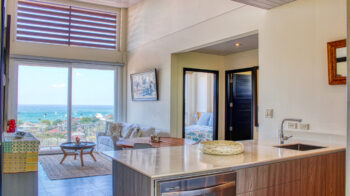
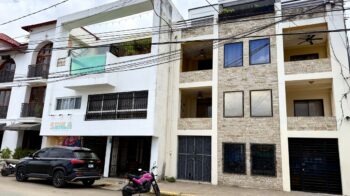
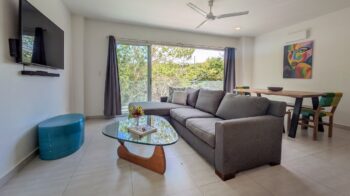
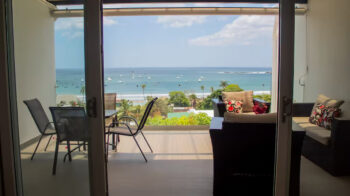
Beachfront Penthouse in Town — available now
Where the condos actually are
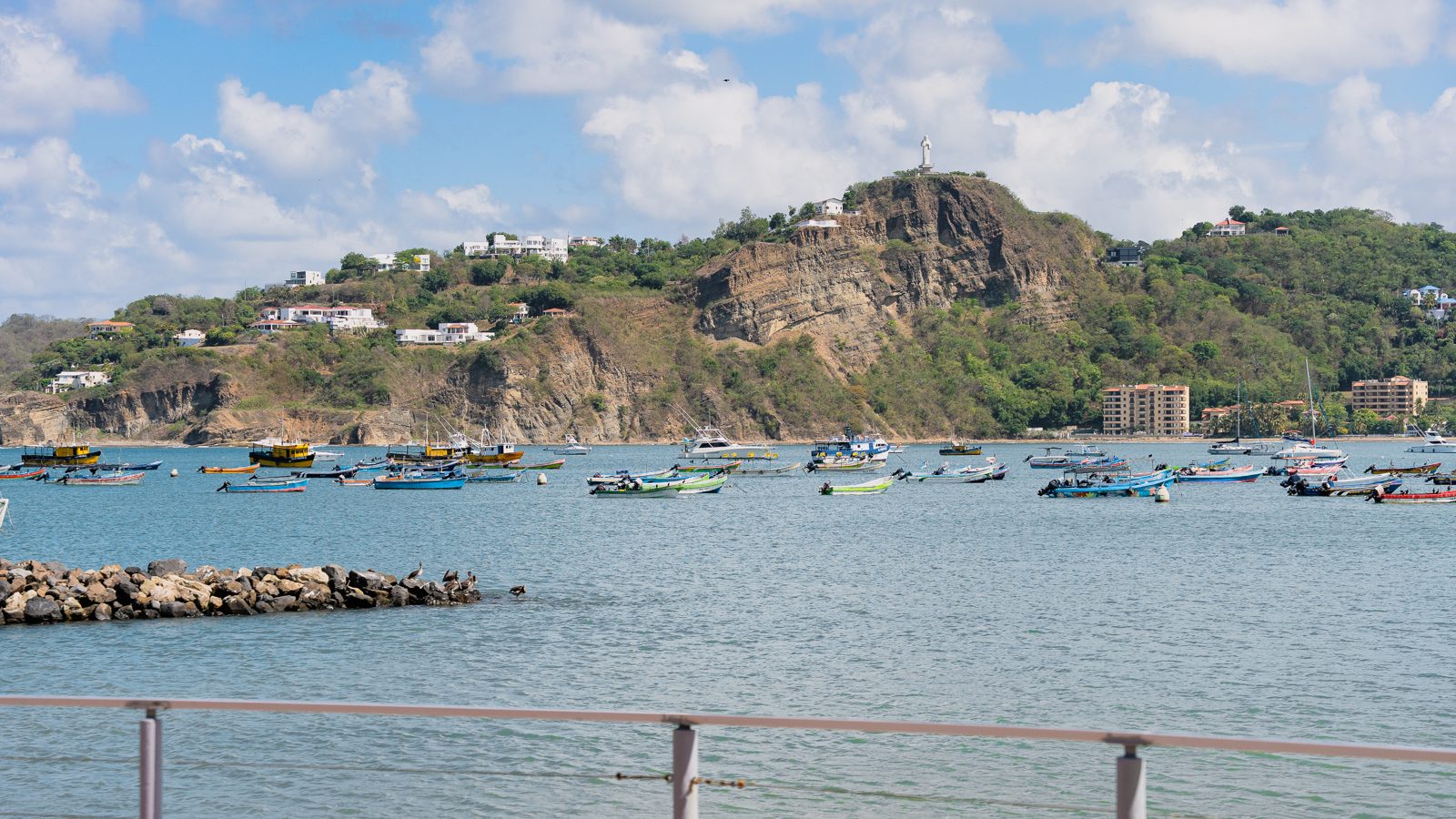
Here’s something most brokerages won’t spell out: roughly 75% of the condo and apartment inventory on this coast is in San Juan del Sur town or its immediate hillsides. In town you’ll find the Casa Marina beachfront building, the El Torreón building, and the La Santa Maria resort community. Head just north along the bay and you reach the La Talanguera condominios, right on the beach. That in-town concentration is a feature, not a bug — it’s what makes these units so rentable.
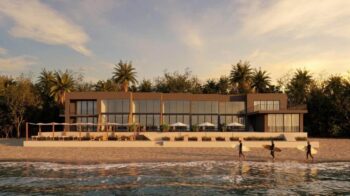
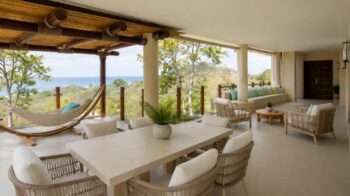
Hacienda Iguana Beachfront Luxury Villa — available now
San Juan del Sur. Nicaragua’s most walkable beach town — restaurants, healthcare, the expat community, and the horseshoe bay all within reach. A condo here puts you close to the action with the new coastal highway ready to shoot you north or south to the beaches in minutes.
Tola & Popoyo. The quieter, wilder side of the coast — surf breaks, boutique developments, and some of the fastest appreciation on the Pacific. Condo projects here appeal to buyers who want nature and upside.
Emerging beachfront developments. New ocean-view condo communities come online along this coast regularly — many pre-construction, at pre-construction pricing. See our beachfront properties, and ask us what’s launching before it hits the market. And if your dream is building from the ground up instead, start with our guide to land for sale in Nicaragua.
What HOA fees actually run — real numbers
Fee schedules are rarely published anywhere, so here are the real numbers. Condo and apartment fees in San Juan del Sur fall into clear tiers. Independent apartments in private buildings carry no HOA fee at all — and often the highest ROI, because there’s no fixed monthly drag on your rental income. Small buildings of two or three conjoined units sometimes share costs at $50–$100 per month. In the Casa Marina beachfront building the HOA is $250 per month. At the La Talanguera condominios, plan on roughly $350 per month. And at the high-end tier — the La Santa Maria resort — fees run $350–$450 per month depending on the unit.
What do you get for it? Broadly the same things at every tier: security, maintenance of common areas, and upkeep of the building’s infrastructure — everything outside your unit. In Casa Marina that means the lobby, hallways, elevator, and roof. In La Santa Maria it stretches further: gardens, clubhouse, pool, gym, co-working space, plus a deeper maintenance program with annual roof checks and heavy-appliance inspections.
One distinction worth understanding before you buy: homeowner-led vs. developer-led HOAs. Casa Marina is homeowner-led — the owners are the HOA, so your voice carries. La Santa Maria is developer-led — professionally run, but the developer sets the agenda. Neither is wrong; they’re different, and you should know which one you’re buying into.

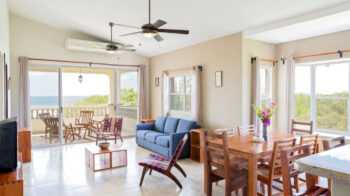
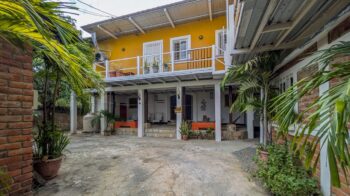
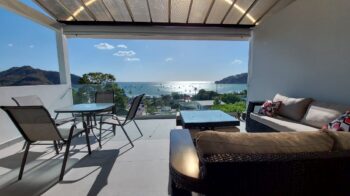
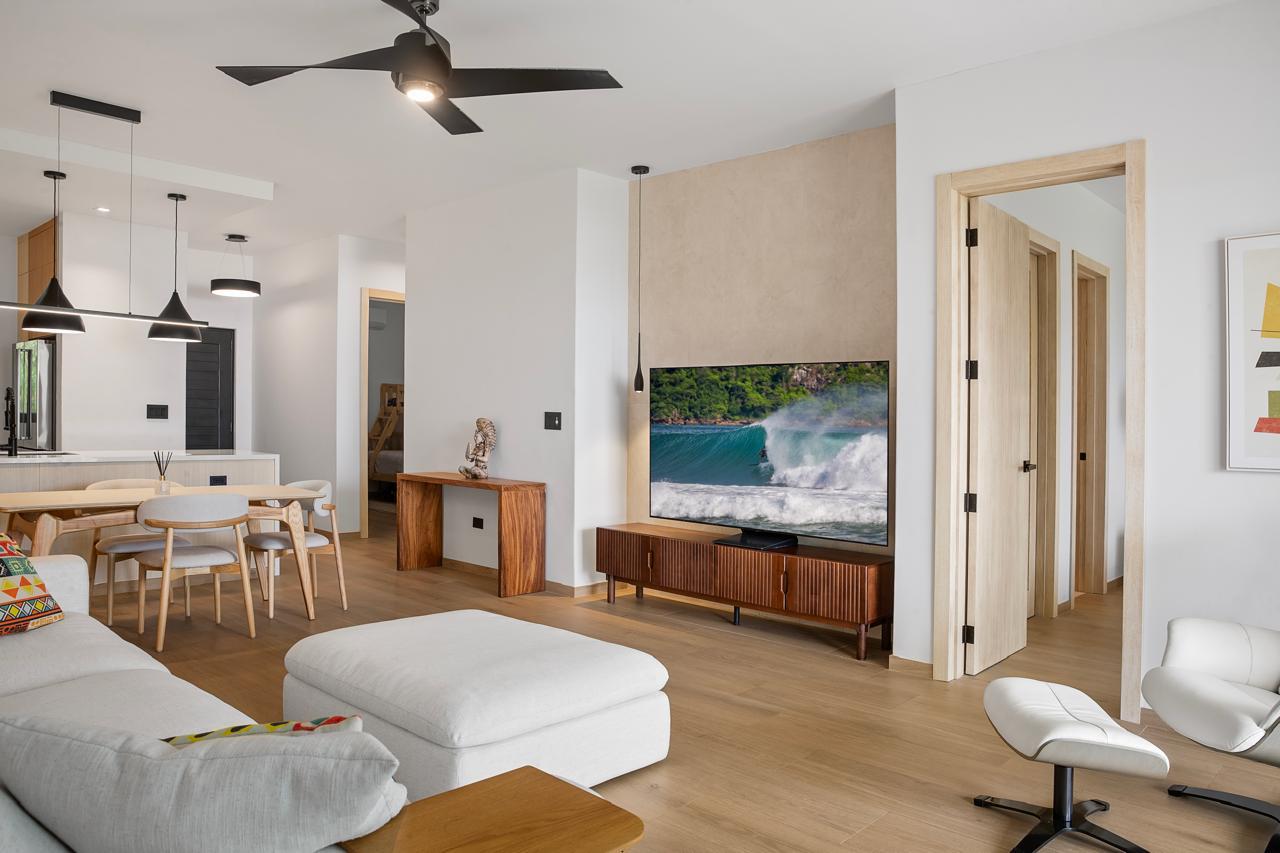
Luxury Oceanview Condo in La Santa Maria — available now
The gotchas nobody warns you about: Most HOAs here don’t sit on large surpluses, so special assessments are possible — and a seller can be months or even years behind on HOA dues. An HOA solvency letter is part of proper due diligence, and any arrears must be cleared before closing, or the debt effectively follows the unit. When we represent you, we ask for the fee breakdown and the solvency letter every time.
How condo ownership works for a foreigner
The same as it does for a house: fee simple title, in your own name, with the same rights as a Nicaraguan citizen. You own your unit outright — no leaseholds, no residency requirement. What’s different is one legal layer called the HPR (Régimen de Propiedad Horizontal, or horizontal property regime). The HPR is what makes vertical ownership possible: it creates the registered survey and geo-coordinates for a unit that sits on a second or fifth floor, grants you easement access to common areas, and can include a deeded parking space. It’s also where the building’s rules and CC&Rs live. Your lawyer reviews it during due diligence — the full title-verification process is laid out in our buyer’s guide.
The rental reality: what a condo here actually earns
A realistic picture matters most here, because rental income is where buyer expectations most often go wrong. Airbnb and VRBO listings cannot be transferred to a new owner — you start your rental history from zero, even in a building with a proven track record. Our rule of thumb: expect around 50% occupancy in year one, 60%+ in year two, and 75%+ by year three as your reviews and repeat guests compound.

Nightly rates for condos and apartments range from $50–$75 on the affordable end to $200+ for premium units, with peak-season dates commanding real premiums. In practice, a well-run 2-bedroom in town grosses anywhere from roughly $11K in a ramp-up year to $25K+ for an established unit that mixes short-term stays with long-term tenants.
The in-town location is the quiet advantage. You’re not only renting to weekenders who want to be near the restaurants and shoot up the coastal highway to the beaches — you’re renting to long-term guests: retirees who want to walk everywhere and never own a car, digital nomads working from the unit, families testing the waters before they buy. A long-term stay might be two months or a year, and a condo is a far more affordable option than renting a 3-bedroom home in Pacific Marlin or Colinas de Miramar. Many owners run a hybrid: short-term through the November–April high season, long-term through the slower months.
Management is solved here: resort communities like La Santa Maria run their own rental program, and independent property and rental management companies handle everything from guest communication to paying your utility bills.
What it costs — and how people pay
Nicaragua is a cash market with no MLS — pricing isn’t posted in one central place, which is exactly why a local broker matters. Beachfront and ocean-view condos in San Juan del Sur generally trade from around $150K into the mid-$200Ks, with premium resort units above that — numbers that would be unimaginable anywhere else on the Pacific. See how that stacks up against Costa Rica in our 2025 market report.
Financing snapshot: about 95% of condo inventory is resale, not developer-held, so developer financing is rare. What does exist is seller financing, case by case — a good baseline is 50% down with the balance paid within about a year. Read how financing works in Nicaragua or run your numbers on our owner financing calculator.

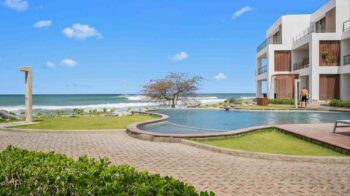
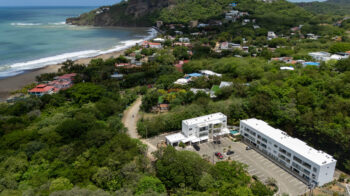
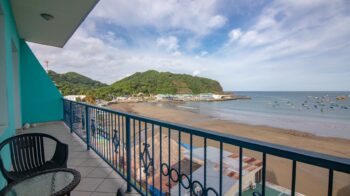
Multi-Unit Ocean View Building in Town — available now
How buying a condo in Nicaragua works
1. Approve the country, then the coast. Most of our buyers start by getting comfortable with Nicaragua itself — safety, healthcare, the day-to-day. We help you do that honestly.
2. Choose your community. We narrow it to the buildings that fit your budget, your use case, and your must-haves.
3. See it — in person or on video. Our local team walks you through units on the ground or live over WhatsApp.
4. Offer & purchase agreement. We negotiate on your behalf and draft the paperwork in English and Spanish.
5. Due diligence & title verification. We confirm clean title, review the HPR and HOA solvency, and clear the legal checks before funds move.
6. Close — from anywhere. Foreign-to-foreign closings are routine for us. Most of our clients never need to touch a Nicaraguan bank.
Frequently asked questions
Can foreigners own a condo in Nicaragua?
Yes. Foreigners can own property in Nicaragua outright — in your own name or through a local or foreign entity — with the same ownership rights as Nicaraguan citizens for standard residential real estate. Many of our buyers are first-time international owners, and we guide you through the full process.
What are typical condo HOA fees in San Juan del Sur?
Independent apartments have no HOA fee; small shared buildings run $50–$100/month; Casa Marina is $250/month; La Talanguera is roughly $350/month; and the high-end La Santa Maria resort runs $350–$450/month depending on the unit. Across the coast as a whole, plan on roughly $250–$1,000/month depending on the development, with Tola’s resort communities at the upper end. Fees cover security, common areas, and building infrastructure — everything outside your unit.
Are Nicaragua condos a good investment?
For the right buyer, yes. Low property taxes, strong short-term rental demand in San Juan del Sur and Tola’s beach communities, and a finite coastline all support long-term value. As with any real estate, returns depend on the specific property and how you use it — we’ll give you honest numbers, not a sales pitch.
Can I rent out my condo when I’m not using it?
In most communities, yes — and many owners do. Just know that Airbnb and VRBO listings don’t transfer with the sale, so plan on roughly 50% occupancy in year one, 60%+ in year two, and 75%+ from year three. We can point you to buildings with proven rental demand and on-site management.
Is a condo title different from a house title?
No — both are fee simple ownership. A true condo project adds an HPR (horizontal property regime), the legal layer that surveys a vertical unit, grants easements to common areas, and establishes the building’s rules. Your lawyer reviews it during due diligence.
How do I buy from abroad without flying down?
It happens all the time. We handle video tours, negotiate on your behalf, coordinate due diligence with your lawyer, and manage the closing through an insured and bonded third-party escrow. The entire purchase can be completed virtually, without leaving home.
Make paradise home
Tell us how you want to live on the coast, and we’ll find the condo that fits. No pressure, no hard sell — just straight answers from people who live here.